
Casper College Green Dot
Green Dot is a nationally recognized, evidence-based program focused on preventing personal violence (including sexual assault, dating violence, and stalking) by equipping community members to become active bystanders.
The training operates on the premise that if everyone commits to doing “their small part,” a culture that is intolerant of violence can be created.
- “Red Dots” represent moments of violence or high-risk situations.
- “Green Dots” represent any behavior, choice, or word that proactively prevents or reactively intervenes in a Red Dot situation.
Participants learn to overcome barriers to intervention and are taught the “3 Ds” of reactive intervention:
- Direct: Safely addressing the situation directly.
- Distract: Creating a diversion to interrupt the situation.
- Delegate: Asking for help from a friend, staff member, or authority.
The ultimate goal of Green Dot is to shift social norms, empowering individuals to be proactive in creating a safer community.

Trainings
We offer both 90-minute (overview) and 3-hour (full) sessions. While the shorter session is available for those with limited time, research indicates that the 3-hour session is significantly more impactful. The extended duration allows for deeper immersion, interactive activities, and more robust discussion.
What to expect:
- Pre-session: Attendees will receive a pre-survey to complete before the presentation.
- The Session: We will lead an engaging presentation featuring interactive discussions and promotional “swag.”
- Post-session: Four weeks following the event, our partners at the University of Wyoming will distribute a post-survey to measure outcomes.
While we have a number of planned sessions, anyone on campus may request a session.
What’s needed
Green Dot utilizes interactive polling software and a pre-survey to enhance the presentation experience. To participate, please bring a cell phone, laptop, or tablet.
I love love love the Green Dot Program! I’m new to Casper College, but I’ve worked on a Green Dot campus in the past and have seen first-hand how it empowers students to effectively facilitate bystander interventions. It gives students very specific and manageable strategies that are appropriate to their emotional, intellectual, and social developmental levels. I’ve seen Green Dot initiatives have a big impact on campus culture, encouraging students to develop empathy, look out for one another, and take an active role in establishing a safe campus community.
— Danielle Neuman, Director of Student Success
Meet the Team
Coordinators: Elizabeth Dobson and Libby Edwards
Instructors: Cara Rodriguez, Jared James, Shawna Trujillo, Anne Wood, Devin Fulton, Drew Gitlitz, Bethany Casali, Cassady Hoff, Celcey Clark, Chelse DePaolo-Lara, Justin Smith, and Marqui Siscoe.

Chelse DePaolo-Lara
“I chose to become a Green Dot advocate because our students deserve a community where they come first and feel safe, valued, and empowered . One way we put our students first is by creating a culture where we all feel confident stepping in to prevent harm.”

Devin Fulton
“I became a Green Dot instructor because in order for our communities to grow, we first need to learn and connect.”

Anne Wood
“I became a Green Dot instructor because I know what it feels like to live in fear—and I never want anyone else to feel that way.”

Marqui Siscoe
“I chose to become a Green Dot Instructor because both employees and students deserve to know that they’re part of a community that is committed to identifying and preventing sexual and dating violence. “

Drew Gitlitz
“I believe in the Green Dot Message. I want to help make campus a safe place for all students to be.”
Bethany Casali
“I became a Green Dot instructor to empower students here at CC to set a positive example and take an active role in building a campus environment that feels safe and supportive.”
Cara Rodriguez
“I became a Green Dot instructor because shame lives in secrecy and silence. If we can speak up, call out, and intervene in these situations, we may be able to help break a pattern where someone feels stuck.”

Jared James
“Learning takes vulnerability. College is a space where individuals are expected to take intellectual and personal risks. Without safety, that growth cannot happen. I believe Green Dot supports learning environments where people can fully engage, develop their identities, and build meaningful paths forward.”

Libby Edwards
“I became a Green Dot instructor to help prevent other people from experiencing what our training calls “red dots.” By helping them identify the behaviors and providing them the skills and knowledge to keep them safe on campus and in our community, I hope to prevent even one person from experiencing sexual assault, dating violence, or stalking.”
Cassady Hoff

Celcey Clark
Justin Smith

“Because of my work in housing, I am especially committed to ensuring this campus is a safe and welcoming place for students. Green Dot invites all members of our campus community to participate in creating a safe culture for everyone. “
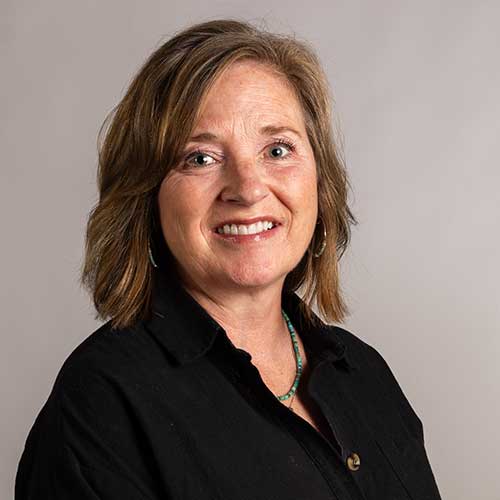
Shawna Trujillo
“When I started college, all of the girls were given rape whistles to add to their key chains. We were advised that should we find ourselves in a dangerous situation in our dorm room, we should yell “FIRE”! Do not yell “RAPE” people are not likely to come to our defense. Why? Because rape and dating violence were perceived to be “private matters” Shouting “Fire” happens to be something that we all would respond to in a self preservation manner. Shouting “FIRE” does not feel personal or intimate. I am pleased to be on the right side, the PREVENTATIVE side of this very personal and dangerous issue. Research clearly indicates that too many of us have been touched or impacted by sexual assault, dating violence, and stalking. Together we can change the trajectory of this trend. No one person can do this alone; but together we can build a campus culture where safety and support are the norm.”