

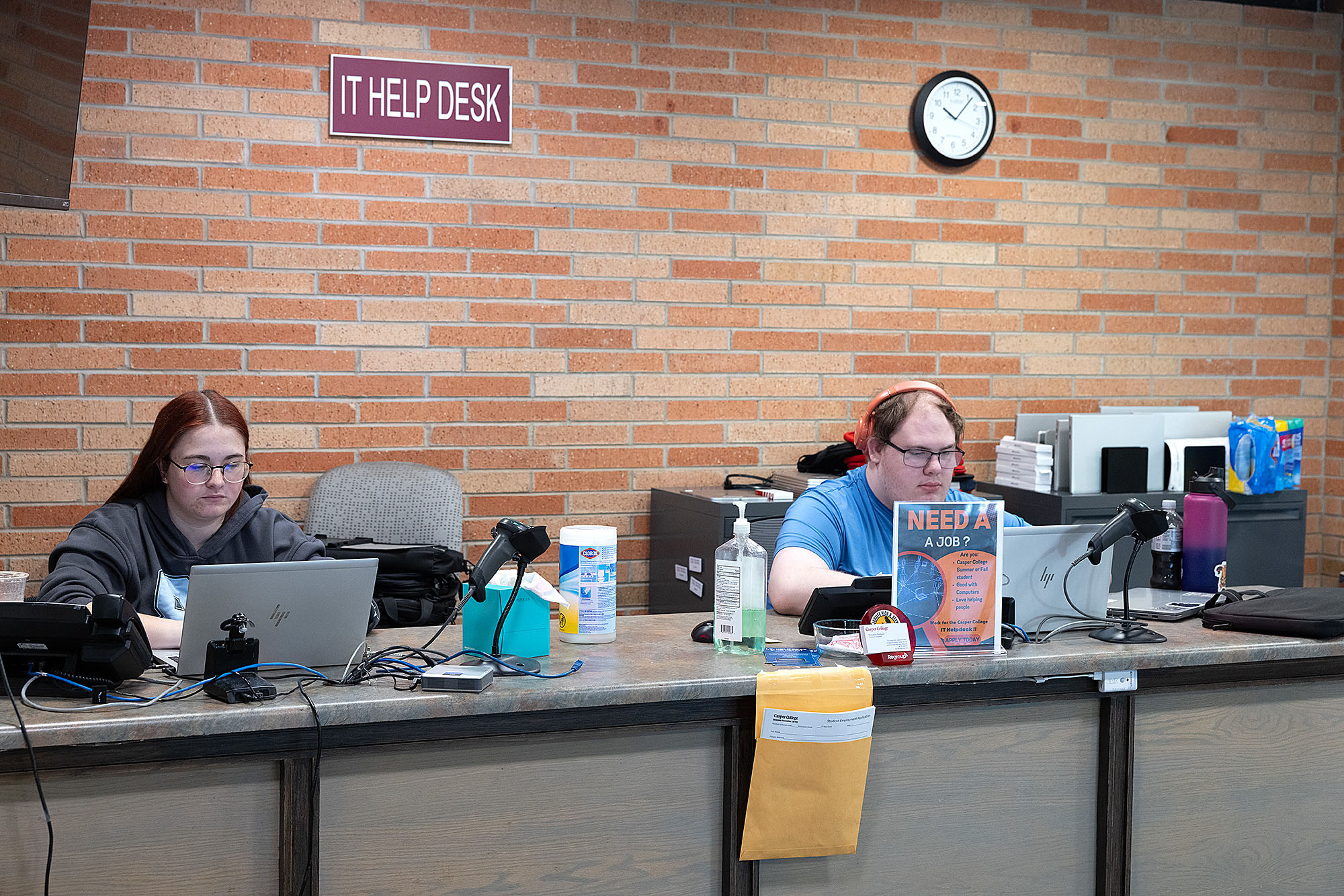
In this article, readers will discover the five surprising benefits of campus work-study positions. But first, let’s look at what a work-study job is and how to find one.
Many students might have heard of work-study opportunities in passing or have even been recommended one by their instructors or peers. So what is a work-study job? A work-study job is an on-campus position, usually part-time, that lets students work while staying in school. This can give students many opportunities for learning, employment, and connecting with those in the campus community. It’s a fantastic way to take the first step into starting a professional career, especially if your work-study position is related to your field.
Finding available work-study positions can be done in a number of ways. Students can check Handshake for opportunities posted by different campus departments to see what type of work is open. Alternatively, students can reach out to specific organizations, departments, or even their instructors to learn more about what work-study positions are available. There are a variety of ways to find positions on campus, even if it might take a little bit of searching.
Work-study jobs can provide students with real-world experience related to their major or field, reduce some of the financial burden that comes with attending college, provide flexibility for students with busy schedules, reduce off-campus commutes, and provide opportunities for networking with peers and professionals in their community.
Learning and Career Experience
Students can learn a lot from working in a professional setting before graduation. It can help students understand what professionalism in the workplace looks like, which will be essential to understand after graduation. In addition, working at a campus organization related to or in your field of study can show you what your career in your field can potentially look like. A work-study position can also provide some much-needed work experience for students when they graduate from college. Many employers look for graduates who have already developed the necessary skills for their field of work and candidates with real-world experience.
Being able to demonstrate what you’ve learned while you’re still in school demonstrates how you will apply those skills in a job after graduation. Students who have work experience in their field while still in school will have a head start compared to others applying for the same position. Students also get the benefit of a hands-on learning experience, which allows them to develop related skills to use for future employment opportunities.
Helps Reduce Financial Stress
Having a steady form of income can be great for students on tight budgets. College students understand how difficult it can become to balance tuition payments, class materials, food, and other needs outside of the classroom. Worrying about these payments can take a huge toll on your mental health and can negatively impact your studies. Reducing financial stress can help students focus more on their academics rather than worrying about large amounts of payments and debt.
Certain positions also offer college credit, depending on the program, for working, which can save a lot of money in the long run. Work-study positions at Casper College allow students to work up to 20 hours a week for $12 per hour. A work-study job is valuable for students who struggle financially and want to continue their studies.
Flexibility
Work-study positions offer much more flexibility compared to off-campus jobs. Supervisors of work-study positions understand how busy college students are and are often willing to work with class schedules or the time needed to take exams. Student job schedules follow the CC academic calendar, which allows students to take breaks during holidays with an opportunity to work during certain periods if they’re interested.
Flexibility doesn’t just extend to scheduling; many supervisors and managers also allow students to study and work on coursework during downtime. This is critical for students who need to stay employed during their academic journey, as many don’t have much time to study outside of class and work. A work-study position offers more flexibility than off-campus jobs, allowing students to have a flexible schedule and work on homework during slow periods.
Commute
A key benefit of a work-study position is that it is on campus. Students with busy schedules are pressed for time between classes, and having a job off campus adds even more stress to their busy week. A job on campus is great because it allows students to go from class to work seamlessly without dealing with traffic or a long drive. You can easily walk from your classes to work instead of having to worry about driving between campus and your workplace.
Being able to stay on campus is also huge for students who want to work in between classes, as they don’t have to worry about being late to their next one. An on-campus job is great for students all around, and especially for those who don’t want the added pressure of a 10-minute or more commute from class to work.
Networking Opportunities
Students have the opportunity to network with and learn from professionals in their field with a work-study position. Building relationships with supervisors and other co-workers is an important part of any career and can potentially help students with employment opportunities after college. A strong recommendation from a former supervisor or manager can go a long way and make you stand out among other candidates. Jobs on campus can also be beneficial for making connections with other students and creating lifelong friendships and professional contacts. Networking can lead to potential job opportunities in the future as well as create a valuable network of peers to learn from.
Conclusion
There are a myriad of benefits for students interested in a work-study position. From earning on-the-job experience to building connections with others, work-study jobs can help students immensely during their time at college and even after graduation. Work-study positions offer immediate benefits like earning money while you learn, and long-term benefits like networking and work experience. These positions provide valuable opportunities for students who want to build their careers while still in college. A work-study position can be an important steppingstone for students transitioning from college life to a career in the workforce.
At a Glance:
-
- Work-study jobs are on-campus, part-time positions that allow students to work while staying in school.
- Key benefits include gaining real-world career experience and professional networking opportunities.
- Casper College positions pay $12 per hour for up to 20 hours a week, helping reduce financial stress.
- Supervisors offer flexible scheduling that follows the academic calendar and prioritizes coursework.
- On-campus locations eliminate commutes, allowing students to transition seamlessly between class and work.